Connected Car Security Bill and USMCA Auto Rules
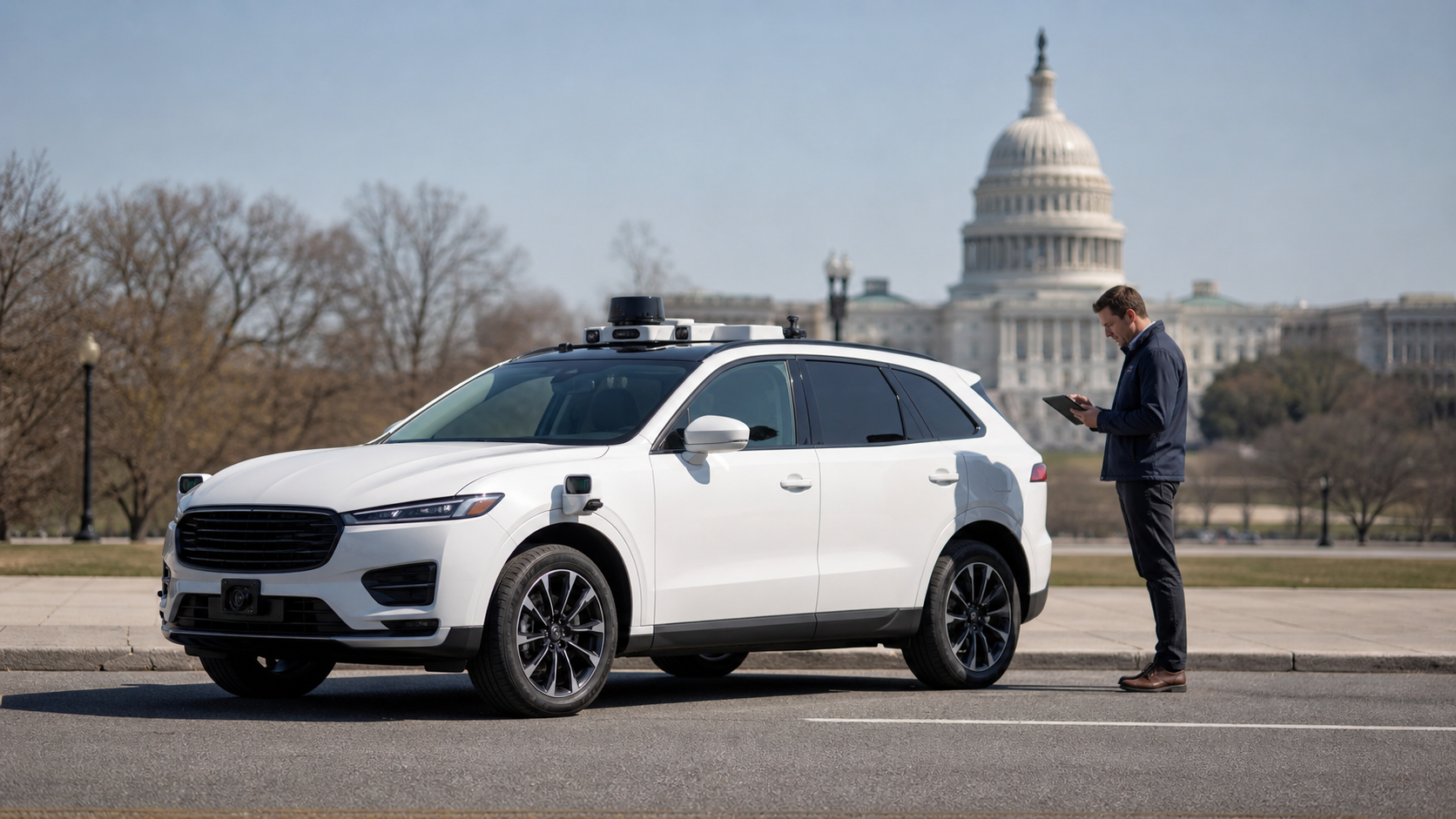
Two policy fights are shaping the road ahead for the auto industry. One centers on the software, hardware, and data inside connected cars. The other concerns where vehicle parts come from and how much of a car must be produced in North America. Neither issue is settled, but both could influence future product plans, supply chains, and prices.
- The Connected Vehicle Security Act has advanced from a Senate committee, but it has not become law.
- USMCA remains in force while the United States, Mexico, and Canada continue annual review talks.
- Security restrictions and origin rules both place greater weight on where vehicle technology is designed and built.
What the Connected Vehicle Security Act Would Do
Modern vehicles rely on cellular links, satellite communication, Bluetooth, Wi-Fi, over-the-air updates, cameras, and driver-assistance systems. Those connections make useful features possible, but they also create questions about access to location data, vehicle controls, and other sensitive information.
The bipartisan Connected Vehicle Security Act of 2026 would restrict connected vehicles, software, and hardware associated with designated foreign adversaries. Congress.gov shows that the Senate Commerce Committee ordered the measure reported with a substitute on July 22. The current bill text identifies China, Russia, Iran, and North Korea as covered countries and sets different implementation dates for vehicles, software, and hardware.
Committee approval is meaningful, but it is not the final step. The measure would still have to clear the Senate and House and receive presidential approval before becoming law. Its language could also change as it moves through the legislative process. For now, it is best understood as a policy direction rather than a rule already governing every vehicle sale.
Why USMCA Auto-Origin Rules Are Under Review
The separate trade debate involves the United States-Mexico-Canada Agreement, which replaced NAFTA. USMCA requires qualifying vehicles to meet regional content and labor-value rules to receive preferential tariff treatment. Those provisions shape where automakers source engines, electronics, batteries, and thousands of other components.
The agreement remains in force even though the United States did not agree to renew it in its current form at the July 1 joint review. That decision begins annual reviews rather than ending the trade pact. Negotiators are now debating whether automotive origin requirements should become more demanding and how any changes would affect factories, suppliers, and vehicle affordability.
Earlier coverage of USMCA investment uncertainty explains why automakers want predictable rules before committing billions to factories and supplier capacity. A tighter threshold could encourage more production in the United States and across North America, but it could also add compliance costs or force manufacturers to rebuild established supply chains.
How Security and Trade Policy Intersect
A cybersecurity bill and a trade agreement review are distinct policy tracks, yet both ask a similar question: who controls the technology and manufacturing base behind a modern vehicle? The security proposal focuses on the origin and control of connected hardware and software. The USMCA talks focus on the regional origin and value of physical components and labor.
That overlap matters because a vehicle is no longer just an assembly of mechanical parts. Telematics modules, wireless chips, operating software, battery-management systems, and automated-driving hardware can affect both supply-chain eligibility and national-security assessments. Automakers may therefore have to evaluate suppliers against several policy frameworks at once.
What Drivers and the Auto Industry Should Watch
Drivers are unlikely to see an immediate change from a committee vote or a trade-review meeting. Any practical effect would depend on final legislative language, regulations, negotiated trade terms, and implementation dates. The nearer-term impact will fall on automakers and suppliers as they decide which components to source, which software partners to use, and where future vehicles should be assembled.
The most useful signals will be final votes, published amendments, formal USMCA negotiating positions, and detailed implementation guidance. Connected vehicle cybersecurity and North American sourcing are moving from technical questions to major policy issues. The eventual rules could influence which vehicles enter the market, how their digital systems are secured, and what it costs to build them.
This post may contain affiliate links. Meaning a commission is given should you decide to make a purchase through these links, at no cost to you. All products shown are researched and tested to give an accurate review for you.