Billions in US Auto Investments Hang on USMCA’s Next Chapter
Carmakers from Seoul to Stuttgart are waving around eye-popping US investment numbers, yet very few of those dollars are actually breaking ground. The holdup? A trade deal review that could redraw the map of North American auto production, plus a stack of tariffs that make every factory decision feel like a coin flip.
- Hyundai says early confirmation of USMCA’s extension would immediately free up more than $20 billion in new US spending
- Toyota has pledged $10 billion over five years but has only detailed about $2 billion so far
- A 25% tariff on non-compliant vehicles and a 2026 trade review have automakers pausing site selection and hiring plans
Why the Money Is Piling Up at the Border
Global automakers plan billions of dollars in new US investments to boost production and avoid President Donald Trump’s tariffs, but they’re awaiting clarity on the status of the North American free trade agreement and future vehicle duties. The logic is simple. Build it here, skip the duty. The catch is that nobody wants to pour concrete for a plant that might be obsolete in three years if the rules shift again.
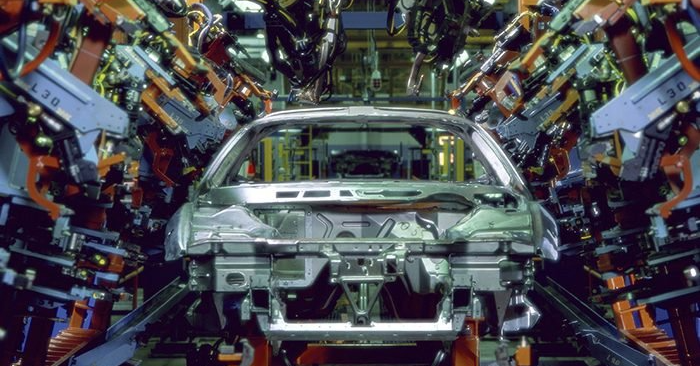
Hyundai has gone furthest, at least on paper. The company announced a $26 billion investment in the US through 2028, showed off a concept SUV, and said it plans to build a new mid-size truck by 2030. CEO Jose Munoz said Hyundai aims to get 80% of vehicles sold in the US produced in America and boost US production from 800,000 cars to 1.2 million. That’s a dramatic reshuffle for a brand that leaned heavily on Mexican and Korean output.
The USMCA Review Is the Real Wild Card
The 2026 joint review of the United States-Mexico-Canada Agreement isn’t a routine check-in. Unlike NAFTA, which lasted a quarter-century without a renewal mechanism, USMCA includes a sunset clause requiring all three countries to revisit the agreement every six years. If any one of them withholds endorsement, the deal enters a 16-year countdown to expiration.
That pressure valve is now doing exactly what it was designed to do, and the auto sector is feeling it first. The US International Trade Commission has opened an investigation into automotive rules of origin under USMCA, examining the impact on the US economy, competitiveness, and relevancy given recent technology changes. Current rules require 75% North American content for duty-free access to the US market, and 40% of a passenger car’s content to be manufactured in the US. Those regional value content thresholds are scheduled to rise to 70% by 2027, pushing automakers to source more parts domestically and verify origin compliance at every stage.
Tariffs Are Already Squeezing Affordable Cars
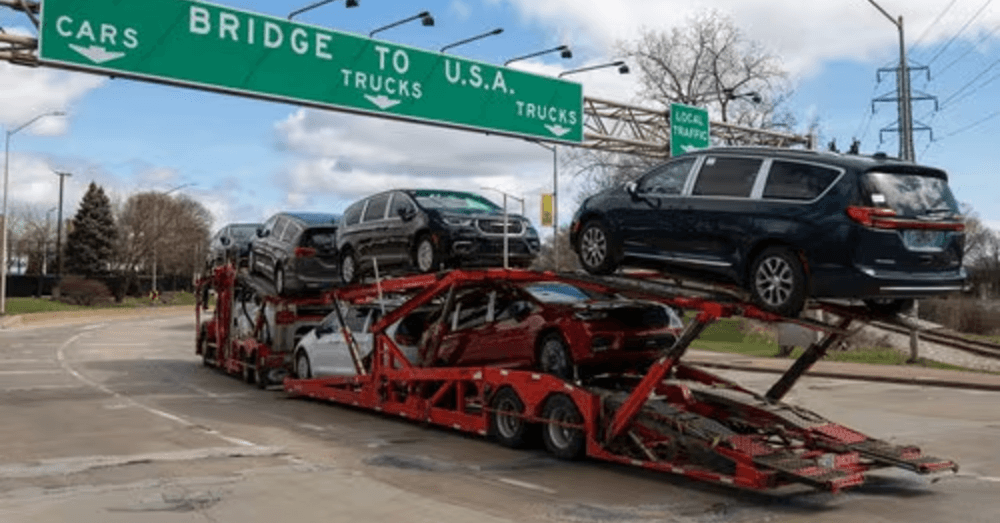
Even USMCA-compliant vehicles aren’t getting a free pass. Federal trade data suggest that effective duty rates on automotive goods from Mexico and Canada now hover around 10%, a historic high that has cost the auto industry billions. Rates were about 0% before Trump returned to office, and US automakers have consistently complained that new trade deals with the European Union, Japan, and South Korea have put North American production at a disadvantage.
The math gets especially painful on cheaper models. Nissan builds many of its entry-level US cars in Mexico, and moving them north isn’t simple when American labor costs push sticker prices out of reach for budget buyers. Volkswagen, meanwhile, said in a public filing that Trump’s 25% tariffs on Mexican and Canadian automotive goods violate binding trade agreements he approved during his first term, an unusually sharp accusation from a company that also just rolled out a new Atlas SUV from its Tennessee plant.
What It Means for American Jobs
The headline investment figures are real, but so is the paralysis. USMCA has spurred more than $210 billion in US automotive investment since its implementation, and the industry wants that trajectory protected. Ford, GM, Tesla, and Toyota have all pushed the administration to extend the deal rather than gut it. Stellantis has argued that imports from outside North America should either meet similar content rules or face equivalent tariffs, warning that otherwise US plants will keep losing share to Asian rivals.
For workers, the short-term picture is mixed. New plants in Georgia, Tennessee, and the Carolinas are hiring. But every month the USMCA question stays open is a month that planned expansions stall, suppliers hold off on capacity bets, and engineering teams can’t finalize which models get built where.
The Road Ahead for Auto Manufacturing
Automakers aren’t backing away from America. They’re asking for a runway long enough to justify the bet. If Washington confirms USMCA’s extension and clarifies the tariff structure quickly, tens of billions in pledged spending can finally move from press releases to payrolls. If the review drags into tense renegotiation or splinters into bilateral deals, expect more announcements like Toyota’s: big numbers, thin details, and a lot of wait-and-see.
This post may contain affiliate links. Meaning a commission is given should you decide to make a purchase through these links, at no cost to you. All products shown are researched and tested to give an accurate review for you.