Senate Strikes Deal to Keep Government Funded
Senate leaders introduced a short-term spending bill this week aimed at keeping federal agencies funded past the midterm elections and into early December. The stated goal is to avoid a government shutdown landing in the middle of campaign season.
- The measure would fund the government at current levels through December 11, with some exceptions.
- The Senate was expected to vote on the proposal before leaving for the August recess.
- The plan sets up further work with the House, which had passed a similar measure.
What the Stopgap Bill Does
Senate appropriators rolled out the continuing resolution on a Sunday. Rather than settling a full budget under a ticking October 1 deadline, the bill would extend existing funding and buy lawmakers more time, carrying federal agencies through December 11 and past Election Day. A continuing resolution functions as a placeholder, letting agencies keep spending at roughly their current rate while Congress works out the larger fights later. That approach has become a common way to avoid a funding lapse when a full budget is not ready in time. The Senate was expected to vote on the proposal before leaving for the August recess.
Why the Timing Matters
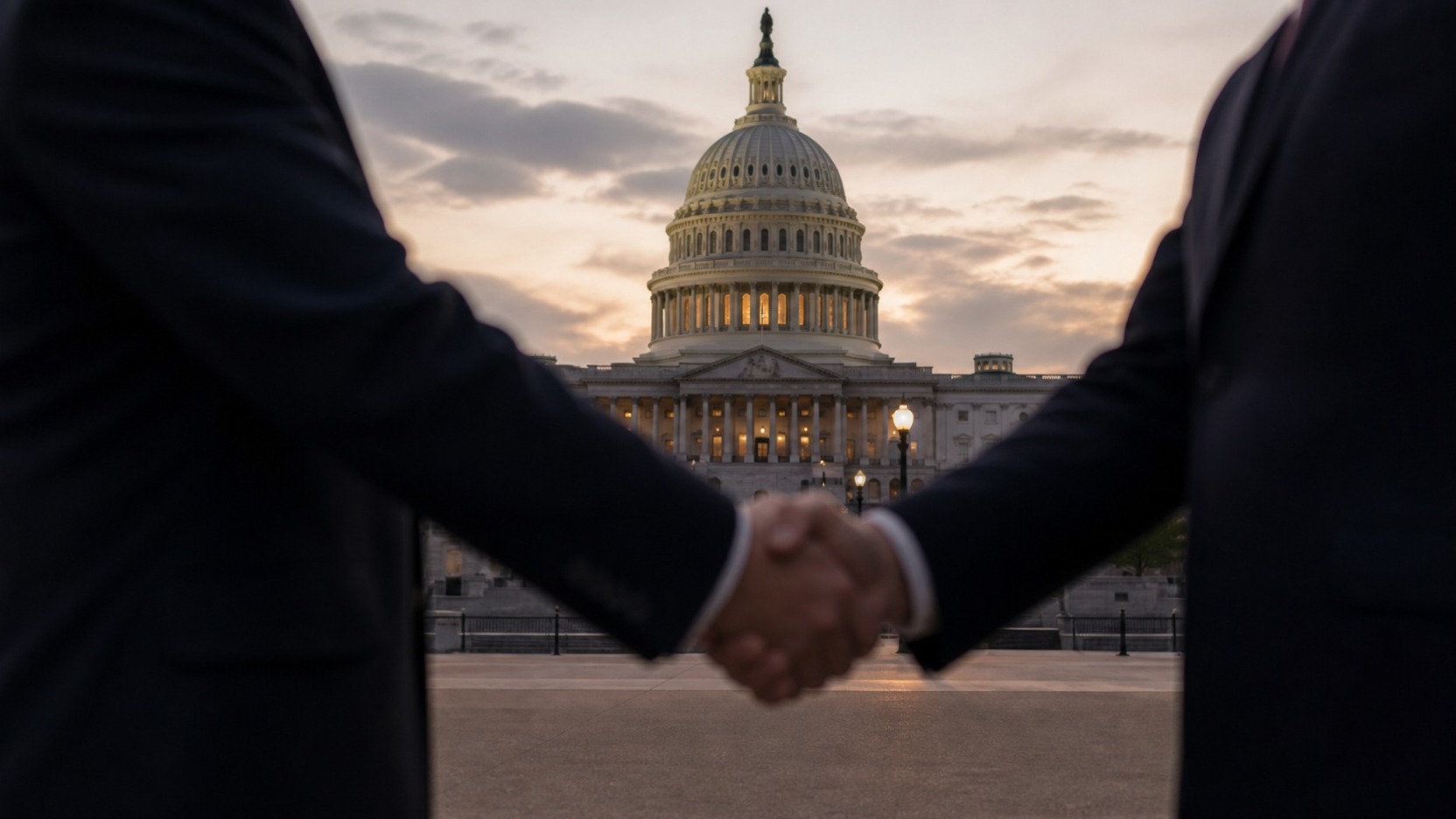
Senate Majority Leader John Thune described passing the measure as his top priority heading into the recess. He noted that Americans had already lived through two record-breaking government shutdowns in the past 10 months and argued that they should not have to face a third. Negotiators in both parties framed the agreement as a bipartisan effort, saying they preferred a short-term extension to another standoff. That shared desire to avoid disruption, more than agreement on the underlying details, is what moved the two sides toward a deal, and reaching it before the recess gives the chamber a clearer path once lawmakers return in the fall.
The Provisions and the Road Ahead
The proposal generally would maintain current funding through December 11 while negotiators continue work on full-year appropriations. AP reported that it would exclude the administration’s $1 billion request for advance procurement of a Trump-class battleship, bar transfers from other programs to the Border Patrol, and delay the proposed grant-review rule during the stopgap period. The House had already passed a similar measure, though its version did not include the negotiated exceptions, which sets up more work between the two chambers before a final bill can reach the president. The measure concerns federal appropriations, not private transactions at a Toyota auto dealer, and should not be read as a consumer incentive.
What to Watch Between Now and December
The next step to watch is how the House and Senate reconcile their versions of the stopgap. Because the two chambers started from slightly different bills, some back-and-forth is likely before a final version can clear both and reach the president’s desk. December 11 will arrive quickly, and this measure only pushes the larger budget questions further out rather than resolving them. Even so, a few months of added stability carries weight, especially with voters watching and campaigns already under way across the country. The negotiated exceptions in the Senate version are likely to be a focal point of that reconciliation, since they mark the clearest difference from the measure the House already approved. Until the two chambers settle those points, the outcome remains unresolved even with a deal in hand.
This post may contain affiliate links. Meaning a commission is given should you decide to make a purchase through these links, at no cost to you. All products shown are researched and tested to give an accurate review for you.