Federal Tire Safety Rules Are Getting a Rethink
Tires are the only part of your car that actually touches the road, so it’s a little surprising how long the federal rules behind them have gone untouched. That’s about to change. The National Highway Traffic Safety Administration announced on October 26, 2026, that it plans to overhaul federal tire safety standards for the first time in more than 20 years. Modern tire designs and even airless tires are on the list.
- NHTSA wants to revisit tire strength, bead unseating, and endurance tests. It also plans to look at weight limits for trucks and SUVs and at the markings on tire sidewalls.
- Safety requirements for airless, puncture-proof tires are part of the review.
- A negotiated rulemaking committee of up to 18 members will help shape proposals, and public comments are due November 27, 2026.
Why Tire Rules Need a Refresh
Tire technology has come a long way in two decades, but the methods used to judge tire safety haven’t always kept up. NHTSA says it wants federal requirements to match how tires are built and used today. The agency expects the effort to improve road safety and lower costs for drivers.
The review could touch a wide range of vehicles, from family sedans to trucks and SUVs.
Some people in the trucking world have been blunt. One tire maintenance expert called many of the current standards vestigial, meaning leftovers that no longer do much useful work. Critics also see several existing tests as holdovers from the bias tire era.
The Tests Getting a Second Look
Three long-standing procedures are up for review: a strength test based on plunger energy, a rim resistance check (often called bead unseating) that looks at how well a tire stays on the wheel, and an endurance test.
Regulators want to make sure each test still makes sense for today’s vehicles. They’ll also review weight-limit guidelines for trucks and SUVs, which matter more as vehicle designs keep changing.
Then there are the sidewall markings, which tell you about a tire’s specs and operating limits. NHTSA is considering updates, so the way shoppers get that information could change.
Airless Tires Get Their Turn
Airless tires, also called non-pneumatic or puncture-proof tires, are one of the more eye-catching parts of the plan. Unlike regular tires, they don’t rely on pressurized air to hold up a vehicle, so the classic flat isn’t a risk in the same way.
The technology could eventually cut certain kinds of tire failures and reduce maintenance. But first, regulators have to work out how these tires should be tested and certified.
The U.S. Tire Manufacturers Association has welcomed the effort. The group argues that outdated rules can keep American drivers from getting newer tire technology that’s already on sale in other markets.
Who Gets a Say in the Rewrite
NHTSA won’t write the new standards entirely on its own. It plans to use negotiated rulemaking, a process that brings affected groups in early to help shape the proposed changes.
Transportation Secretary Sean Duffy will appoint a committee of up to 18 members. They’ll represent tire manufacturers, automakers, safety organizations, research institutions, and engineering associations. Getting that many viewpoints to agree is the whole point.
The agency is also asking for public comments and committee nominations. The notice was published in the Federal Register on October 27, 2026, and submissions are due within 30 days, by November 27, 2026.
Keep Your Current Tires in Good Shape While the Rules Take Form
Your next set of tires won’t be any different because of this announcement. No new requirements are final, and the tires sold at dealerships and tire shops today still follow the current federal rules. Whatever comes next depends on the committee talks and public feedback.
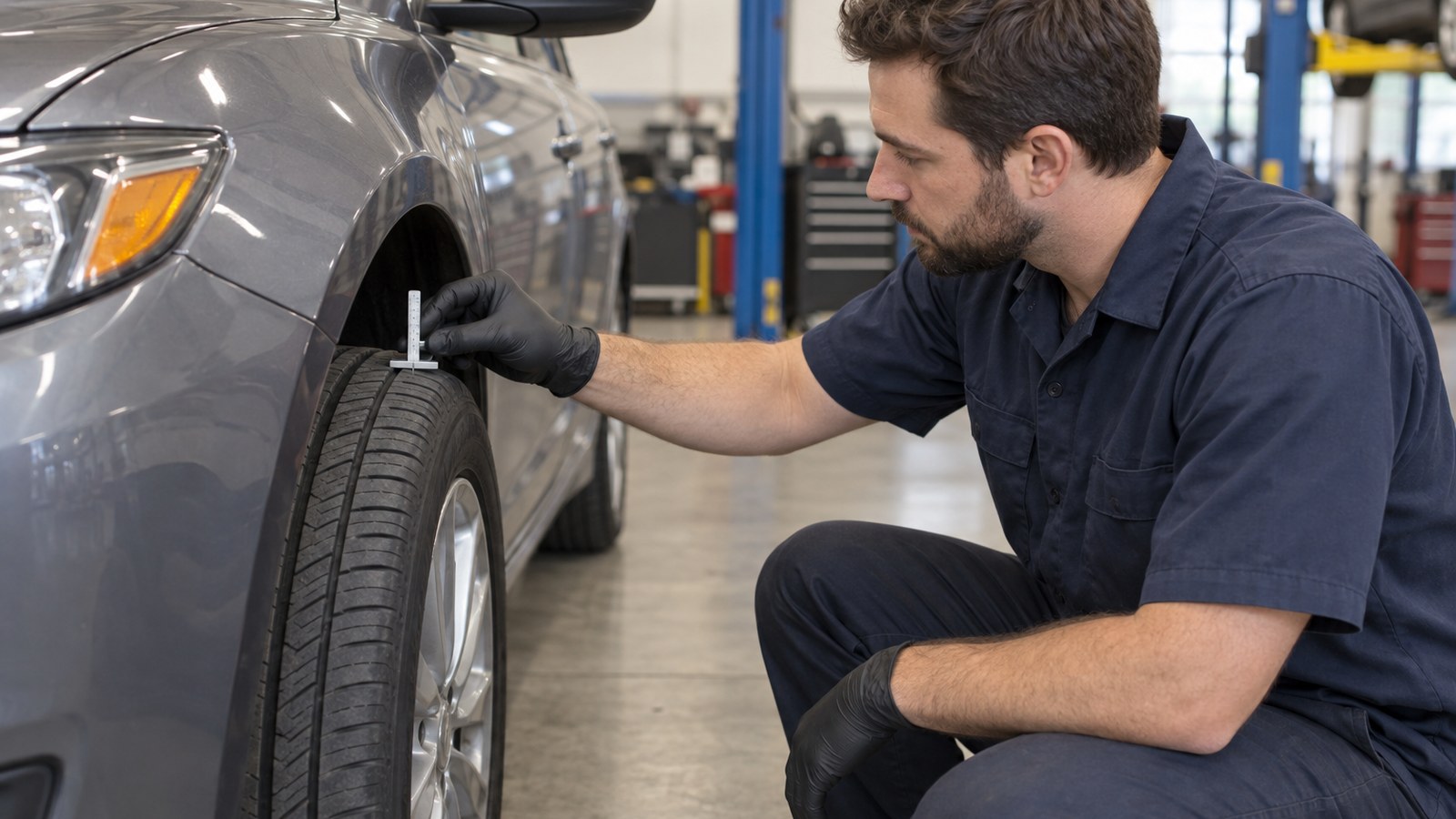
If you care about how tires get tested, labeled, or approved, this is a rare chance to speak up before the rules take shape. Comments and nominations both go through the Federal Register notice. In the meantime, check your tire pressure regularly, ideally while the tires are cold, and keep an eye on your tread. Old rules or new ones, a well-kept tire is still your best bet on the road.
This post may contain affiliate links. Meaning a commission is given should you decide to make a purchase through these links, at no cost to you. All products shown are researched and tested to give an accurate review for you.