Why Big Pickups Keep Stalling U.S.-Canada Tariff Talks
The United States and Canada are talking trade again, and what they decide could change how much automakers like Ford pay to move vehicles, parts, and steel across the border. The two countries are looking at ways to ease a 25% tariff on Canadian autos and a 50% tariff on Canadian steel. One issue keeps coming back to the table, though, and it’s a familiar one. It’s the heavy-duty pickup.
- The U.S. and Canada have resumed talks on easing the 25% tariff on Canadian autos and the 50% tariff on Canadian steel.
- An earlier tentative agreement fell apart in August after Canada asked for better terms on heavy trucks like the Ford Super Duty.
- No deal is final, and the two sides are still working through their differences.
Where the Talks Stand Right Now
In late October, Reuters reported that the two governments are working on a deal to ease tariffs on Canadian autos and steel. U.S. Commerce Secretary Howard Lutnick and Dominic LeBlanc, Canada’s minister for Canada-U.S. trade, have stayed in contact while the talks go on. Sources said an agreement could come together before the U.S. midterm elections. The Trump administration also wants more concessions from Canada before that can happen.
Canada sounds hopeful but careful. A spokesperson for LeBlanc said Ottawa is still in constructive talks with Washington on several priorities. The spokesperson added that Canada is ready to work in good faith toward a trade relationship that works better for both countries and respects Canadian interests.
Prime Minister Mark Carney said the talks have picked up a little. He put any progress down to the U.S. moving closer to Canada’s position.
A Canadian industry source took a more measured view. If an agreement comes, it could come quickly, but it would probably be a narrower deal. That’s assuming it happens at all.
How a Tentative Deal Came Apart Over Big Trucks
The bigger goal has been on the table for months. Both sides have worked toward cutting tariffs on autos, parts, and other goods shipped from Canada into the U.S. from 25% to 15% or lower. At one point they even reached a tentative agreement, and it looked like a rough stretch between the two neighbors might finally be ending.
Then, in August, it fell apart. Canada pushed for better tariff terms on heavy trucks like the Ford Super Duty, and that request became a major breaking point. Vehicle parts were another sticking point. Carney later said one main reason he walked away was that Washington wanted terms that would badly hurt Canada’s biggest industries, including autos, steel, and aluminum. He had also promised to match U.S. tariffs dollar for dollar.
Meanwhile, the costs keep piling up. Ford and other automakers are still taking a hit from tariffs on goods coming in from Canada and Mexico.
Why the Super Duty Carries So Much Weight
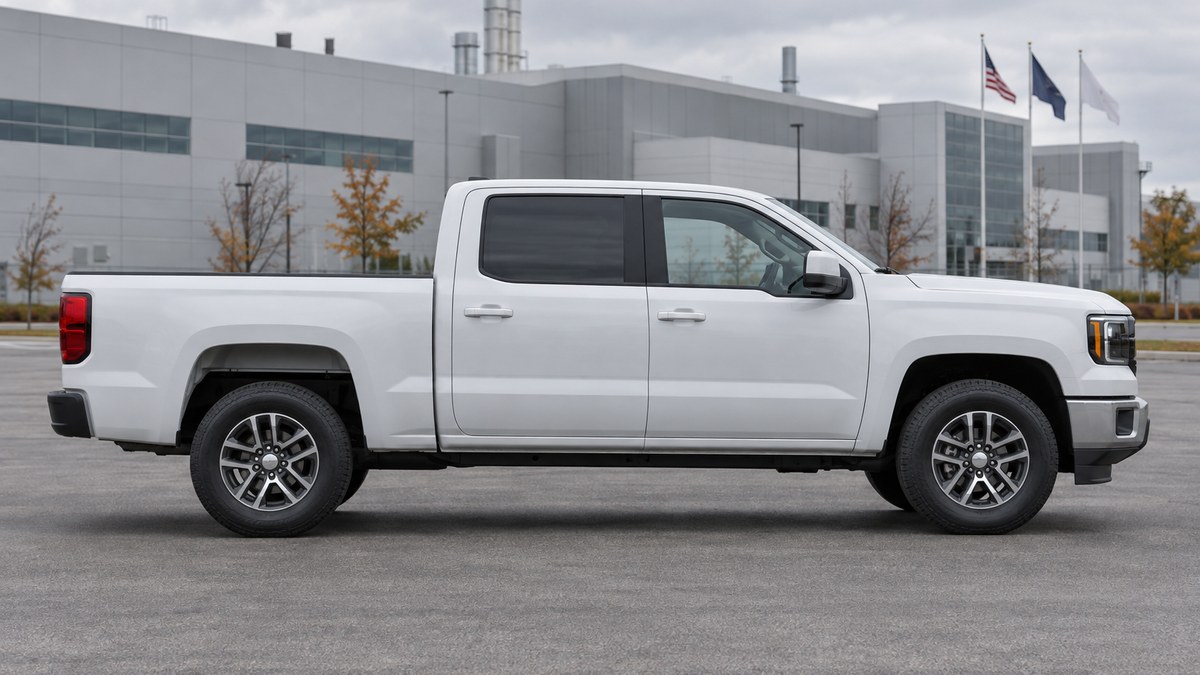
For Canada, heavy-duty pickups are a big deal. Ford’s F-350 series is built in Oakville, Ontario, so the tariff rate on these trucks lands right on a Canadian assembly plant. That helps explain why the truck question has been so hard to settle.
Some automakers now want a more practical approach. Two Canadian trade sources told iPolitics that certain automakers are urging the federal and Ontario governments to focus on getting a deal done instead of holding a hard line against a higher tariff on larger vehicles like the F-350. Put simply, they’d rather see an agreement with a tougher truck rate than keep the whole package stuck.
Shoppers on both sides of the border have a stake too. After the August breakdown, CarBuzz reported that Americans would likely pay more for vehicles that American and Japanese brands build in Canada. Canadians face higher prices on U.S.-built vehicles under the matching tariffs.
Those costs can follow a truck well after it leaves the factory. If you’re pricing Ford lifted trucks that start life as a Super Duty, the stock truck’s price is the base of the whole build. So it pays to keep up with tariff news on heavy-duty pickups.
Keeping Tabs on Heavy-Duty Truck Tariffs
Nothing is settled yet. The talks are active, officials on both sides are in contact, and Washington still wants more from Ottawa. Heavy-duty trucks remain the issue to watch, since they’re where the last tentative deal broke down. Any new agreement may also end up smaller than the one first discussed.
If a heavy-duty pickup is on your shopping list, keep an eye on news from Washington and Ottawa over the coming weeks. When you’re ready to buy, ask about current pricing and availability before you sign, because tariff decisions can move faster than window stickers. A little attention now could spare you a surprise later.
This post may contain affiliate links. Meaning a commission is given should you decide to make a purchase through these links, at no cost to you. All products shown are researched and tested to give an accurate review for you.